
If you’ve been looking into pool options lately, chances are the saltwater pool system conversation has come up more than once. And honestly, it should. It’s one of the most common questions homeowners ask before committing to a build, and for good reason. There’s a lot of noise out there, so let’s cut through it and give you a real, honest breakdown.
Key Takeaways
- A saltwater pool still uses chlorine, just produced differently and far more gently
- Upfront costs are higher, but long-term savings make it worthwhile
- Gentler on skin, eyes, and swimwear than traditional chlorine pools
- Maintenance is simpler but still requires regular attention
- Works beautifully with custom pool designs and water features
What Is a Saltwater Pool System
Let’s clear up the biggest myth right away. Saltwater pools aren’t chlorine-free. They still use chlorine, just not the kind you haul home from the store in jugs. Instead, a salt chlorine generator dissolves salt into the water and converts it into chlorine through a process called electrolysis. The result is a slow, steady release of sanitizer that keeps your pool clean without the harsh spikes you’d get from manual dosing.
The salt concentration is also much lower than most people expect, closer to human tears than ocean water. Most swimmers don’t notice it at all, which is kind of the whole point.
How Does It Stack Up Against a Traditional Chlorine Pool
This is where things get interesting. When you line up a saltwater pool system vs chlorine side by side, the differences go beyond just chemistry.
- Comfort: The water feels softer and silkier, no red eyes, no chemical smell, and your swimwear actually lasts longer.
- Water quality: Because chlorine is released consistently, you get fewer algae outbreaks and more stable water chemistry week to week.
- Ongoing costs: You’ll spend less on chemicals over time since the system generates its own instead of relying on constant purchases.
- Day-to-day maintenance: There’s less manual intervention involved, which most homeowners find to be a huge relief.
Put simply, it’s a more comfortable and more consistent swimming experience. And once you’ve swum in a well-maintained saltwater pool, it’s hard to go back.
The Benefits That Matter
Beyond the feel of the water, the saltwater pool system benefits tend to add up in ways people don’t always think about upfront.
Lower chloramine levels mean you won’t walk away from a swim smelling like a gym locker room. The water chemistry is genuinely easier to manage every week. And because you’re not constantly adding packaged chemicals, it’s a friendlier option for the environment, too.
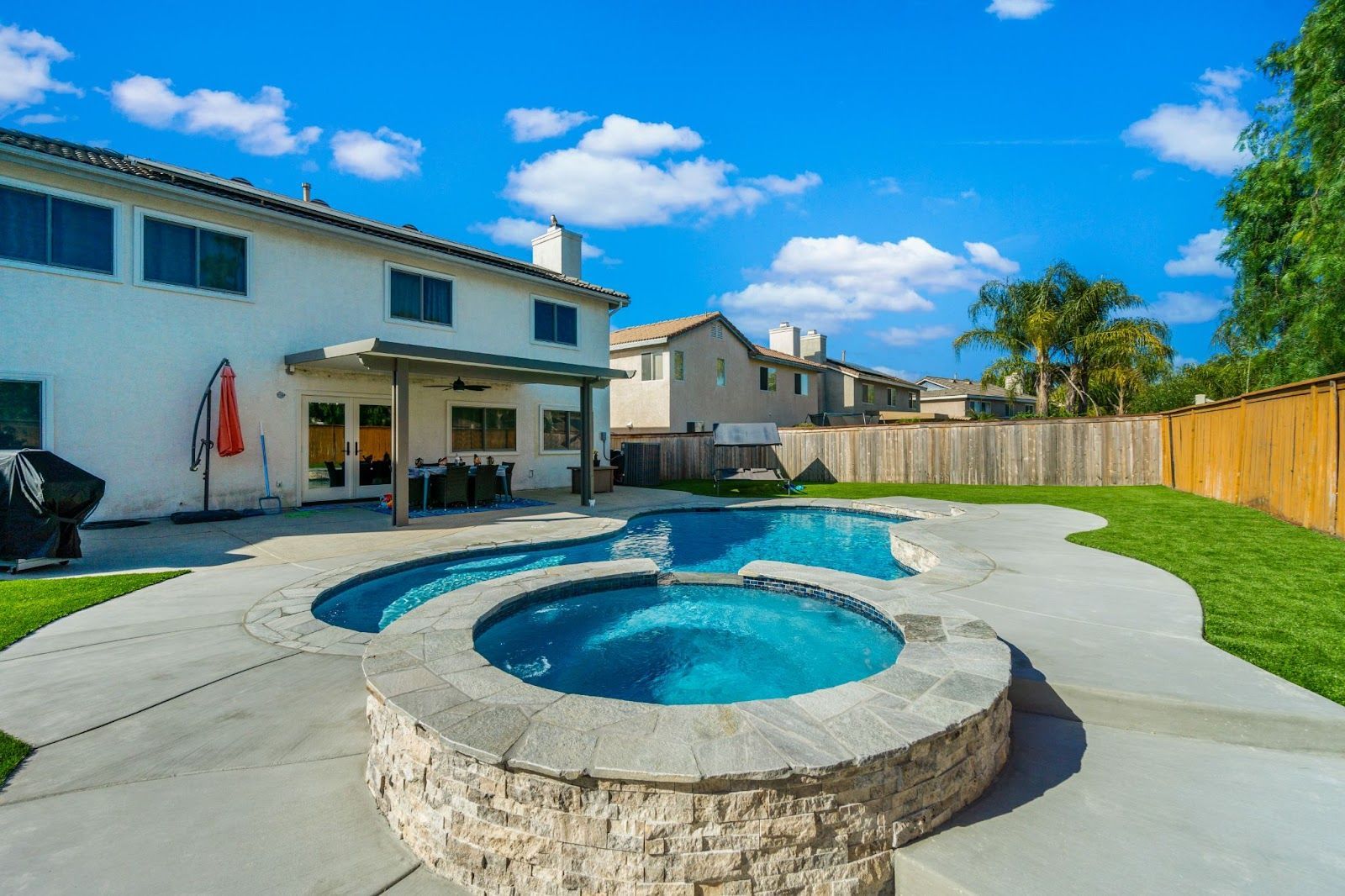
If you’re already browsing pool design options for your backyard, it’s worth factoring in your system type early. The equipment placement and plumbing are much cleaner when it’s designed into the build from the start, not retrofitted later.
Cost and Installation
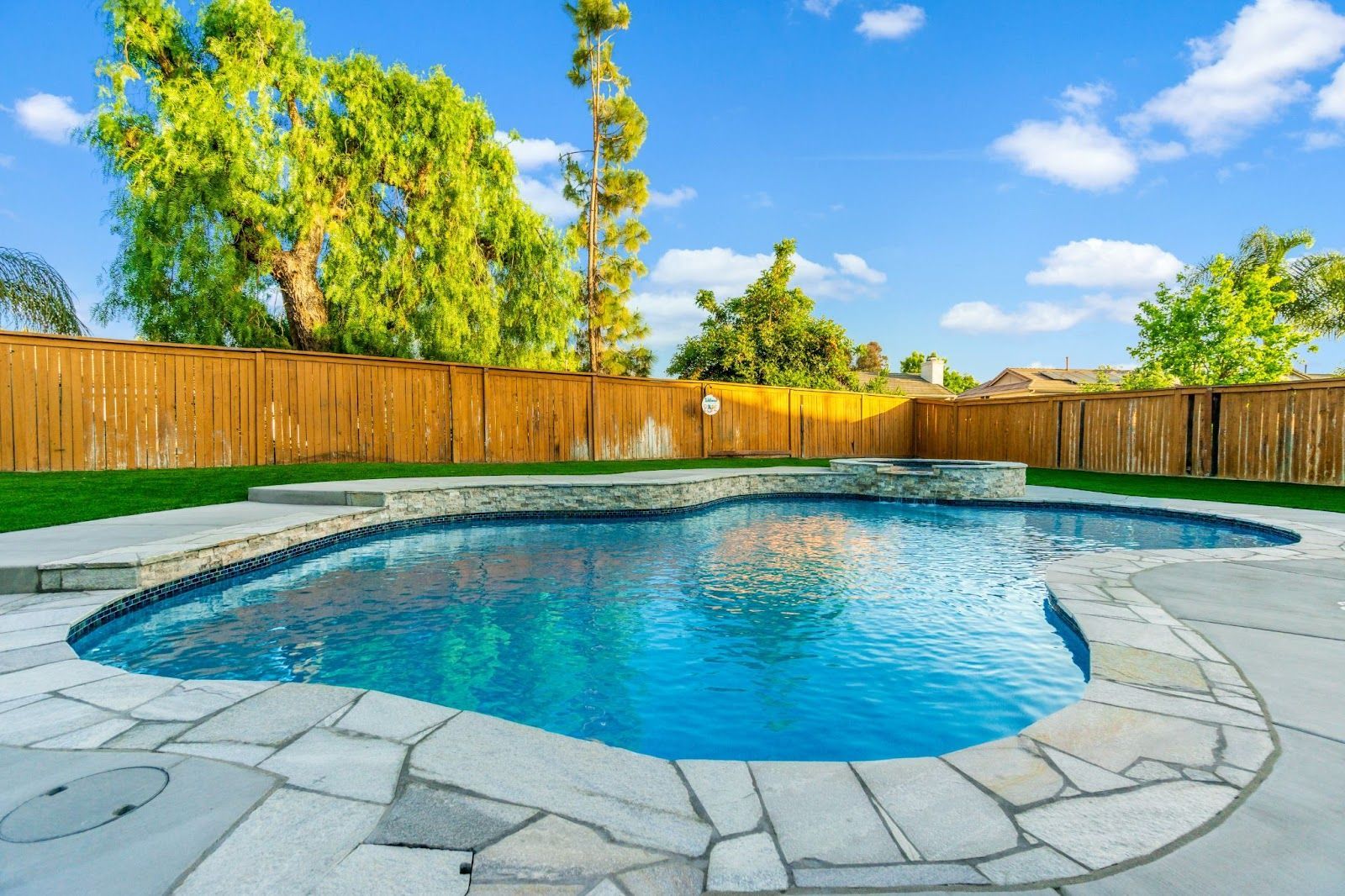
Here’s the part people sometimes get surprised by. Saltwater pool system installation typically adds $1,500 to $3,000 to your build, depending on pool size and the system you choose. That’s a real upfront difference, and it’s worth being honest about.
But here’s the thing. Most homeowners break even within two to four years just from chemical savings alone, then continue saving every year after that. When you’re thinking long-term, which you should be with a pool, the math works out quite well.
A few things that affect saltwater pool system cost include pool volume, the generator brand, and whether you’re adding automation or smart controls. The best time to sort all of this out is during the pool construction phase, before anything is locked in.
Maintenance: Easier, But Not Zero Effort
One thing worth setting realistic expectations on is saltwater pool system maintenance. It’s genuinely simpler than traditional chlorine, but it’s not completely hands-off.
- Weekly: Check salt levels, pH, and chlorine output
- Monthly: Inspect the salt cell for calcium buildup
- Seasonally: Test cyanuric acid, alkalinity, and stabilizer levels
- Annually: Have the salt cell professionally checked for wear
Pairing a salt system with a good automation setup makes this even easier. You can monitor everything from your phone, which honestly makes it feel less like a chore and more like just keeping an eye on things.

Is It the Right Call for You
For most Southern California homeowners, the answer is yes. The water feels better, the long-term costs are lower, and the overall experience is a step up from a conventional setup. It’s not a perfect fit for every single situation, but the vast majority of people who switch don’t look back.
If you’re ready to talk through what makes sense for your backyard and your budget, the California Custom Pools team is always happy to walk you through it. No pressure, just good advice from people who love building pools.
