Installing a pool represents one of the biggest investments you’ll make in your home, and getting it right requires careful planning before the first shovel hits the ground. Too many homeowners rush into pool projects without fully understanding the factors that affect long-term satisfaction, costs, and usability.
The decisions you make during the planning phase impact everything from construction costs to decades of ongoing maintenance and enjoyment. Taking time to consider these critical factors upfront saves money, prevents regrets, and ensures your pool becomes the backyard retreat you’re envisioning.
Property Assessment and Site Conditions
Before falling in love with a particular pool design, you need to understand what your property can actually accommodate. Site conditions dramatically affect the swimming pool installation process, costs, and even what’s possible to build.
Start with the basics like property lines, setback requirements, and existing utilities. Underground power lines, gas pipes, or septic systems can force design changes or add excavation costs. Soil conditions matter too. Rocky soil increases excavation expenses, while unstable soil might require additional structural engineering. Slope and drainage patterns affect where water flows during rain, which impacts pool placement and deck design.
Budget Planning Beyond Initial Construction
Most people focus exclusively on construction costs when installing a swimming pool, but that’s only part of the financial picture. Your total investment includes ongoing expenses that continue for as long as you own the pool.
Understanding pool installation cost helps you set realistic budgets that account for construction, landscaping, and the inevitable extras that enhance your pool experience. Monthly expenses include chemicals, water, electricity for pumps and heaters, and regular maintenance. Seasonal costs cover opening, closing, and equipment servicing. Long-term expenses include resurfacing every 10-15 years, equipment replacement, and potential repairs. Setting aside a maintenance fund from day one prevents these costs from catching you off guard.
Local Regulations and Permit Requirements
California’s pool regulations are complex and vary significantly between cities and counties. What’s allowed in one jurisdiction might be prohibited just a few miles away, and ignoring these requirements leads to expensive corrections or even forced pool removal.
Safety requirements typically include barrier fencing with self-closing gates, electrical bonding and GFCI protection, compliant drain covers, and sometimes pool alarms or safety covers. Setback requirements dictate how close pools can be to property lines, easements, and structures. Environmental regulations might include water conservation measures, energy-efficient equipment requirements, or restrictions on certain features. Working with professionals who understand local codes ensures your pool meets all requirements from the start.

How You’ll Actually Use Your Pool
Pool design should reflect how your family will actually use the space, not just what looks impressive in magazines. Honest assessment of your lifestyle, habits, and preferences leads to smarter design decisions.
Families with young children need shallow play areas, gradual entries, and perhaps dedicated kid-friendly features. Fitness enthusiasts benefit from lap lanes, resistance jets, or swim spas. Entertainment-focused homeowners want swim-up bars, built-in seating, and integration with outdoor living spaces. Relaxation seekers prioritize spa features, comfortable lounging areas, and peaceful aesthetics. Your usage patterns also affect the pool installation process in terms of equipment selection, depth configurations, and feature priorities.
Equipment Selection and Energy Efficiency
Pool equipment represents a significant portion of your installation budget and dramatically affects ongoing operating costs. Choosing the right systems balances upfront investment with long-term savings and performance.
Variable-speed pumps cost more initially but can reduce energy consumption by 50-75% compared to single-speed models. Energy-efficient heaters like heat pumps or solar systems have higher installation costs but much lower operating expenses. LED lighting uses a fraction of the electricity of traditional pool lights while offering color-changing capabilities. Automation systems add convenience and can optimize equipment operation for maximum efficiency. Salt chlorination systems reduce chemical costs and provide more consistent sanitization with less maintenance.
Landscape Integration and Outdoor Living
Your pool shouldn’t exist in isolation. The best designs integrate seamlessly with your overall landscape and outdoor living vision, creating cohesive spaces that enhance your entire property.
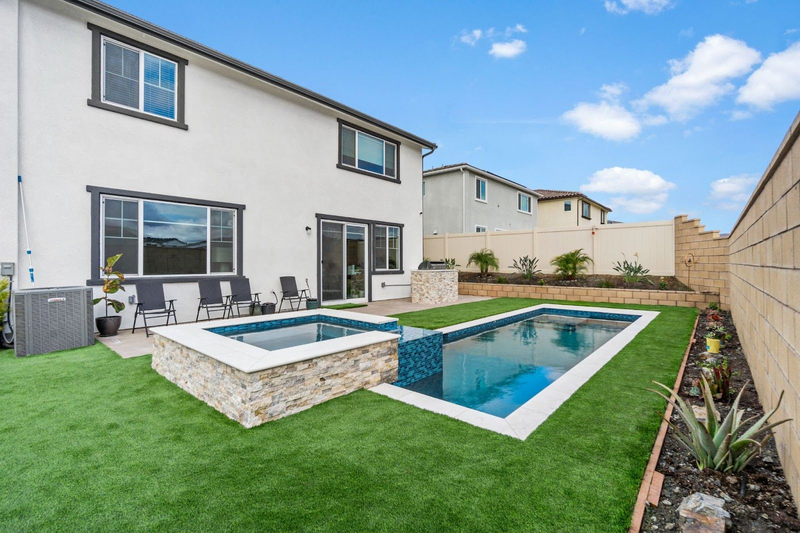
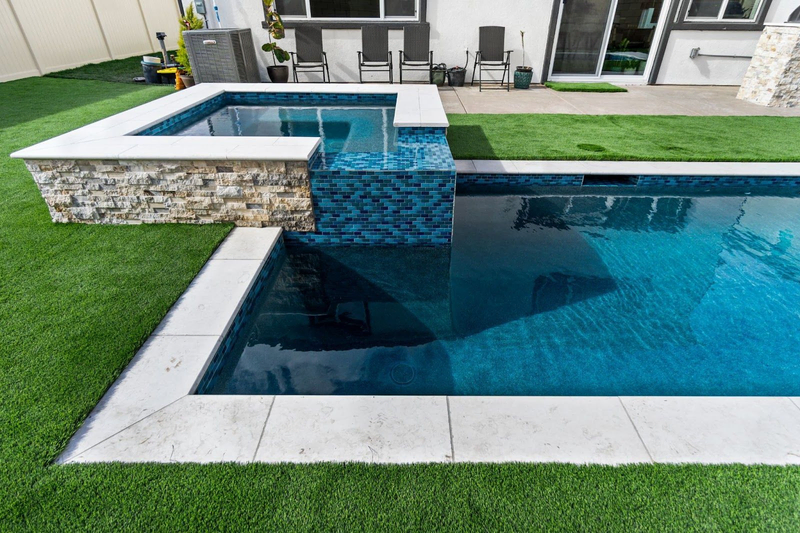
Consider how the pool relates to your home’s architecture and existing landscape features. Deck materials should complement your home while providing safe, comfortable surfaces. Strategic plantings create privacy, shade, and visual interest without dropping excessive debris into the pool. Outdoor kitchens, fire features, and covered seating areas extend usability beyond swimming season. Lighting design ensures your outdoor space functions beautifully day and night. Professional construction planning helps coordinate these elements for maximum impact and functionality.
Choosing the Right Pool Builder
Your contractor choice might be the most critical decision in the entire pool installation process. The right builder brings expertise, quality workmanship, and professional project management that prevents headaches and delivers superior results.
Look for licensed, insured contractors with strong local reputations and verifiable references. Review their portfolio to ensure their style matches your vision. Understand their warranty coverage, project timeline estimates, and communication practices. Ask about their relationships with subcontractors and suppliers, as these affect quality and scheduling. A detailed contract should specify materials, timeline, payment schedule, and what happens if problems arise. Remember that the lowest bid often isn’t the best value when you factor in quality, service, and long-term satisfaction.
Making Your Pool Dreams a Reality
Installing a pool transforms your property and lifestyle, but success requires thoughtful planning that goes beyond choosing a shape and color. By carefully considering these seven factors, you’ll make informed decisions that lead to better outcomes and greater long-term satisfaction.
Every property and family is unique, which means cookie-cutter solutions rarely deliver optimal results. Working with experienced professionals who take time to understand your specific situation, goals, and constraints ensures your pool becomes everything you hoped for and more.
Ready to explore what’s possible for your backyard? Our experienced team can help you navigate these considerations and create custom pool designs that perfectly balance your vision, budget, and property characteristics.
