
If you’ve ever owned a pool, you’ve probably had at least one moment of “I wish closing this thing was easier.” Automatic pool covers turn that wish into a one-button reality, and they happen to be one of the smartest upgrades you can add to a backyard. They protect kids and pets, slash energy and chemical costs, and somehow look sleek doing it: three jobs, one cover.
Key Takeaways
- Automatic pool covers add a critical safety layer for homes with kids or pets.
- They cut heating, evaporation, and chemical loss noticeably year over year.
- Push-button operation makes daily covering effortless, which is the whole point.
- Built-in housing keeps the cover hidden and the deck looking clean.
- Ongoing energy and maintenance savings offset the upfront cost.
Safety That Works Even When You Don’t Think About It
The biggest selling point of automatic swimming pool covers is the one you hope you never need: protection. A properly installed cover that meets ASTM F1346 standards can support the weight of an adult, which means it acts as a serious barrier between an unsupervised child or pet and open water.
What makes them genuinely effective is the convenience factor. Manual covers protect your pool only when someone actually puts them on. Automatic systems are used because using them takes seconds. That consistency is what turns a cover from “nice to have” into a meaningful safety feature. For a deeper look at how different options stack up, this complete guide to pool safety covers is a solid resource.
Energy and Money You’ll Actually Keep
Here’s where the benefits of automatic pool covers get really interesting. A covered pool loses dramatically less heat and water to evaporation, which translates to real numbers on your monthly bills:
- Heating costs: Up to 70% reduction since heat isn’t constantly escaping into the air.
- Water loss: Up to 50% less evaporation, especially helpful during Southern California’s dry, windy months.
- Chemical use: Significantly less chlorine and treatment needed because sunlight and contaminants are blocked.
- Cleaning time: Less debris in the water means less skimming, vacuuming, and filter cleaning.
Over a year, those savings add up. Over five or ten years, they can cover a meaningful chunk of the original investment.
Style That Doesn’t Fight Your Design
Older cover setups were chunky and obvious. Modern automatic pool cover systems are designed to disappear into the build. Most options offer:
- Under-deck housing that tucks the cover completely out of view.
- Recessed lid systems with a flush top surface and clean lines.
- Color choices that complement your decking, tile, or coping.
- Track styles that sit on top of the deck for retrofits or hide beneath the coping for new builds.
The cleaner the integration, the better the cover looks closed and the more invisible it feels open. For most homeowners, that’s the difference between a feature they show off and one they try to hide.
What to Know Before You Install
A few practical things worth thinking through before pulling the trigger:
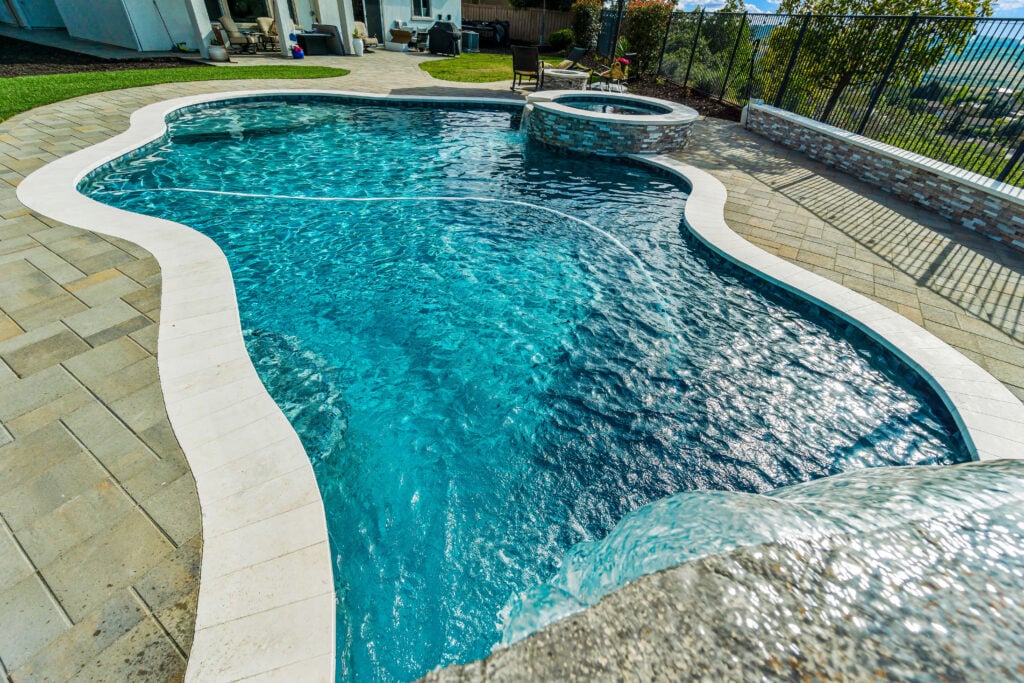
- Pool shape. Rectangular pools are easiest and most affordable to cover. Freeform shapes are still doable, but they cost more.
- New build vs retrofit. Designing a cover for a new pool is far cleaner than retrofitting an existing one.
- Power and tracks. Motorized pool covers need dedicated electrical and a track system, both of which affect deck design.
- Maintenance. Motors and fabric need occasional attention. Plan on inspections every year or two.
Walking through these with a builder early saves money and avoids design compromises later.
Ready for a Cleaner, Safer, Smarter Pool?
If you’ve been weighing whether the upgrade is worth it, the math usually lands in your favor, especially for families with young kids or anyone tired of constantly cleaning. When you’re ready to explore options for your space, request an automatic pool cover quote, and we’ll walk through what’ll work best for your pool.
